Teller County STR Community Outreach & Policy Recommendations
Teller County engaged Electra Johnson Design + Planning (EJD+P) to conduct a countywide community engagement and policy development process focused on short-term rentals (STRs). The goal was to collect broad public input, understand localized impacts across the county’s diverse communities, and we worked with Sky Tallman to develop balanced, actionable recommendations that protect neighborhoods, ensure safety and infrastructure integrity, respect private property rights, and support economic development.
1. Community Engagement Process
Countywide Outreach Approach
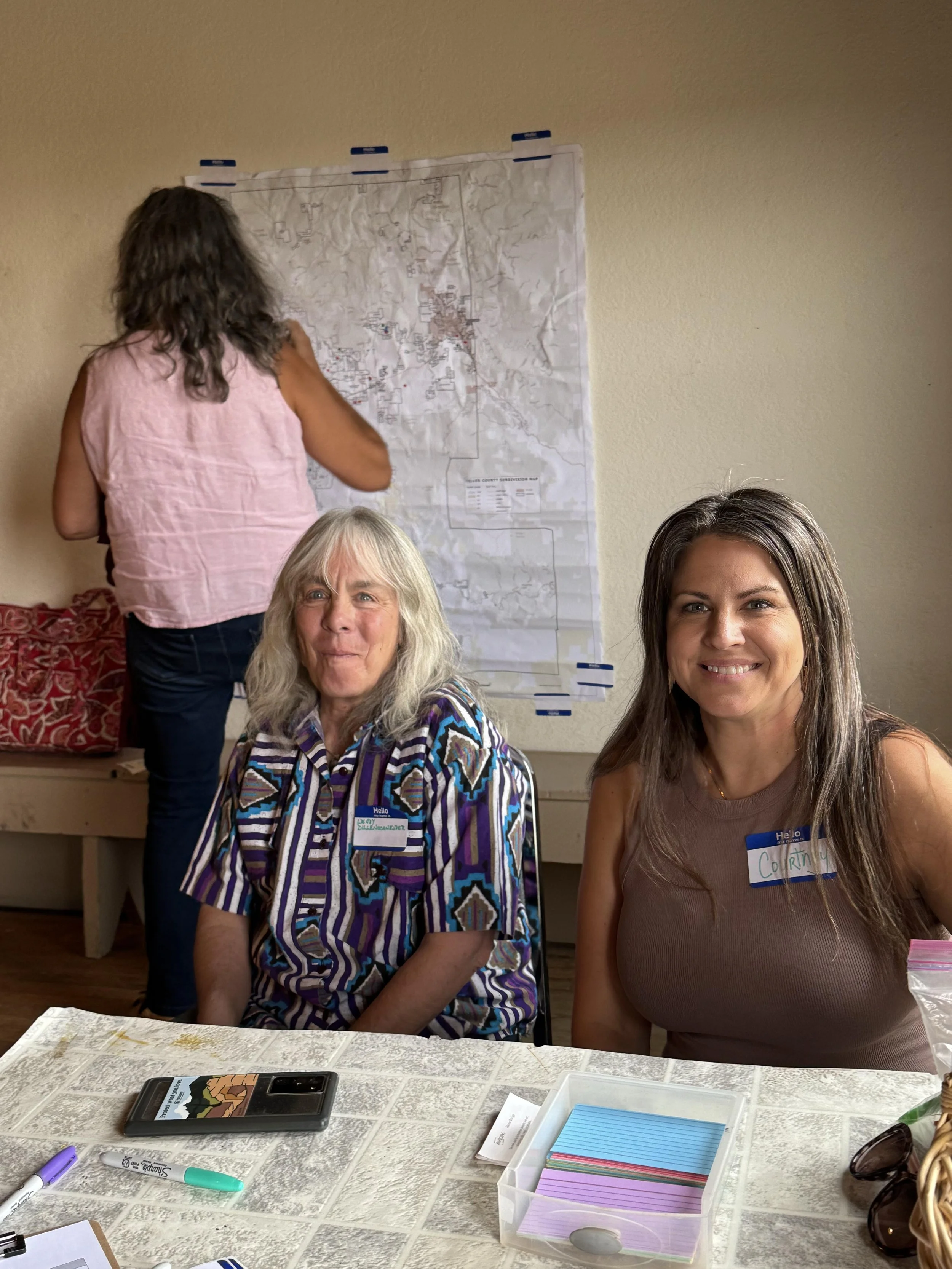
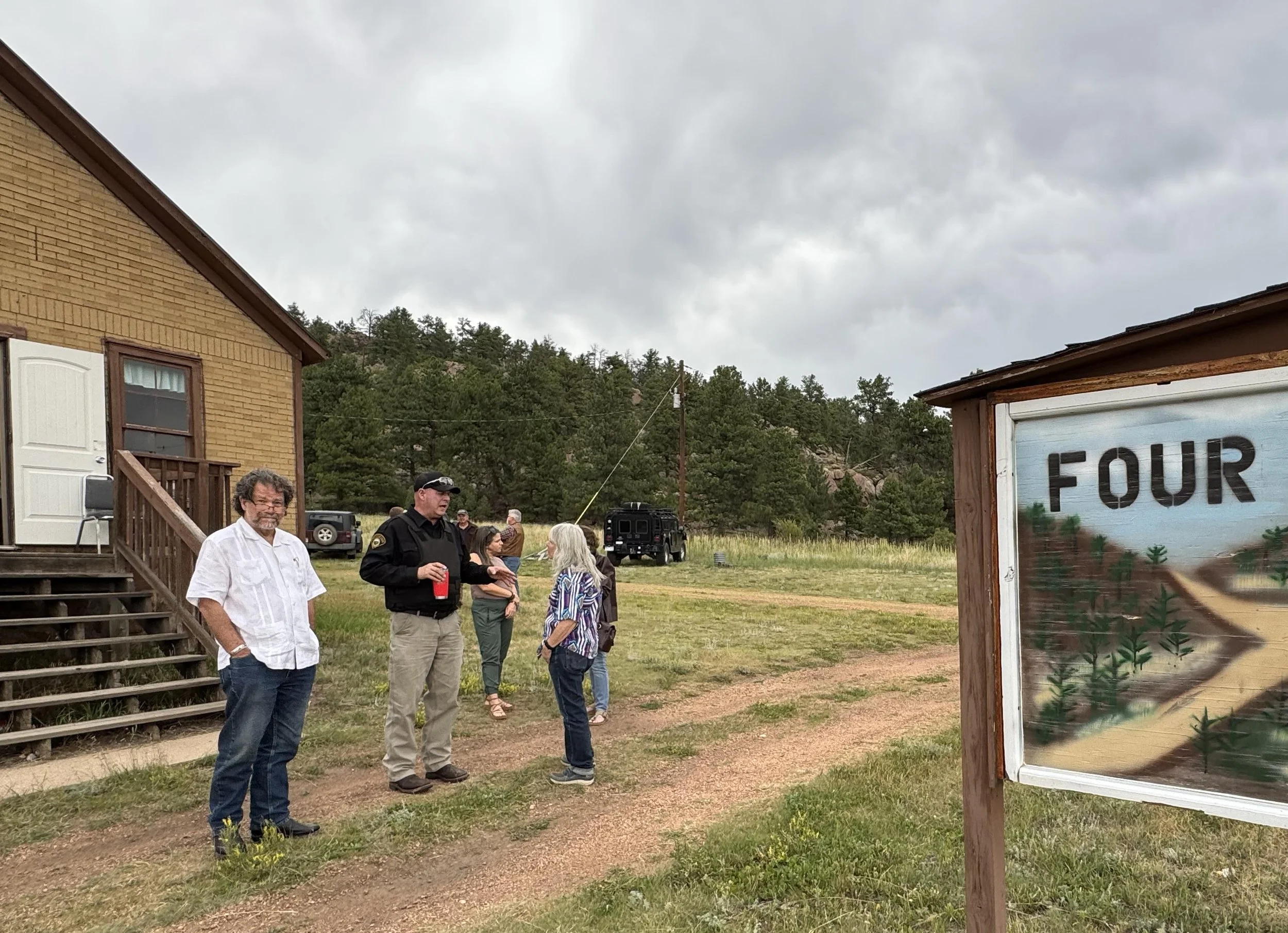
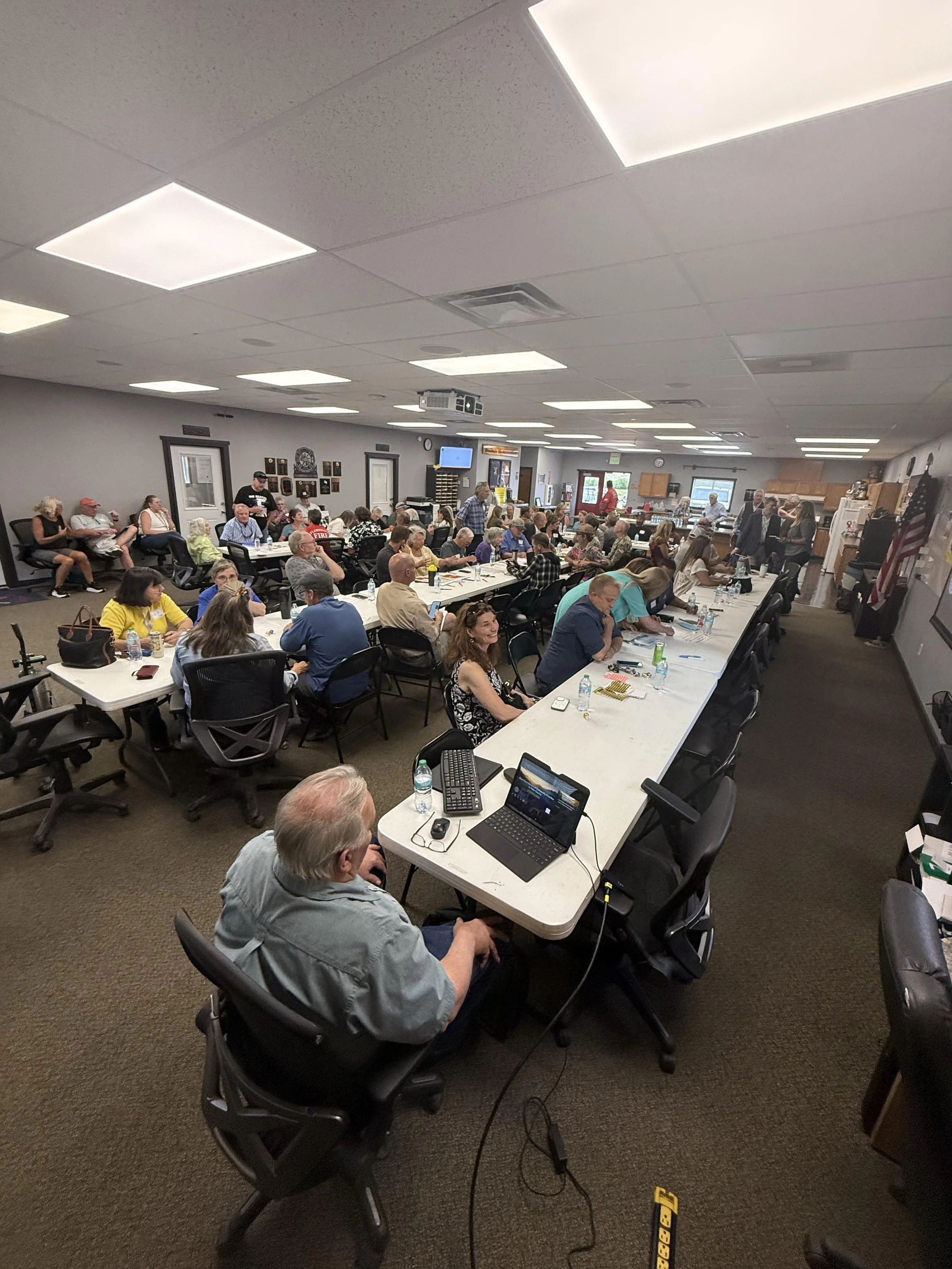
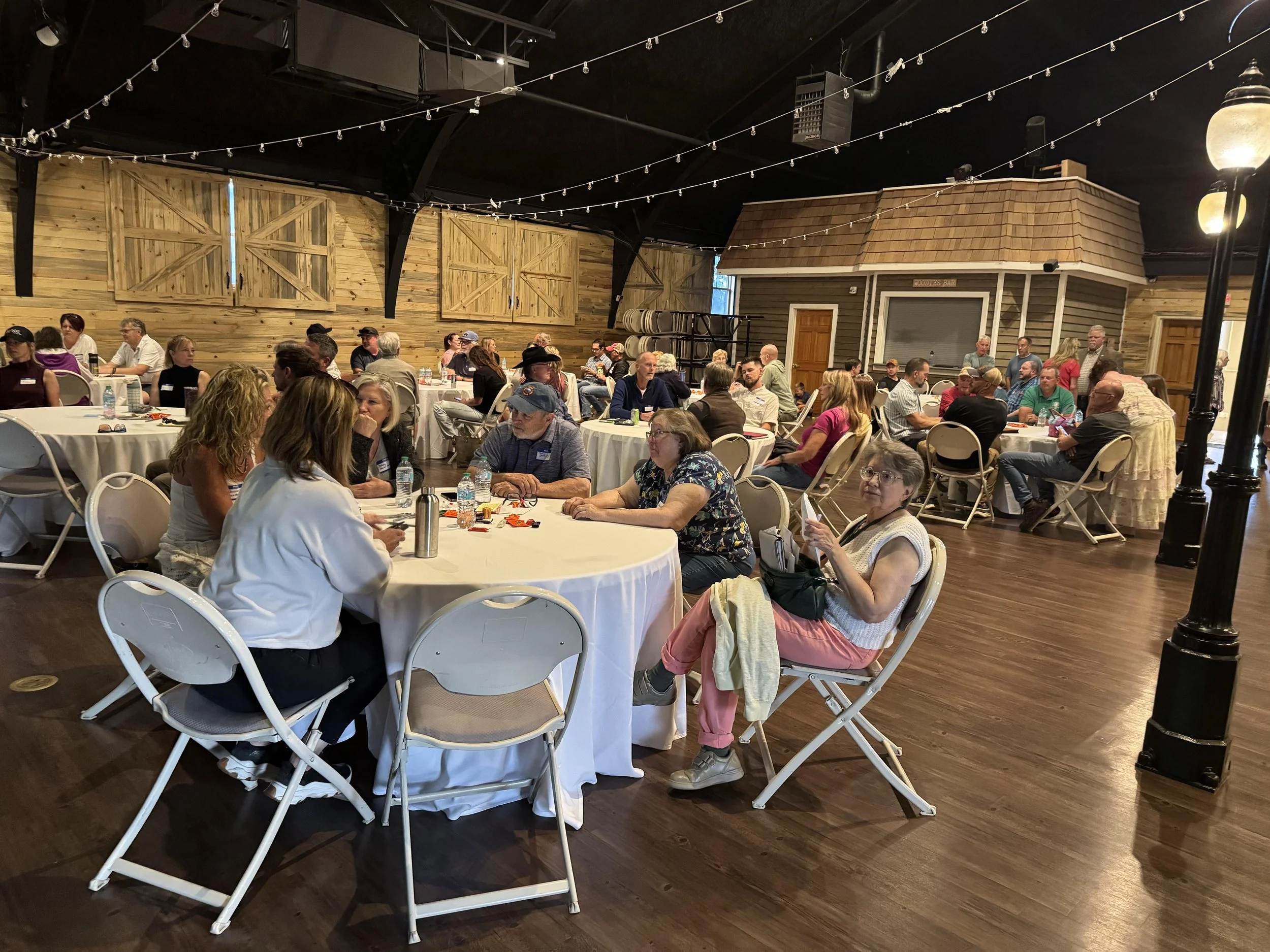
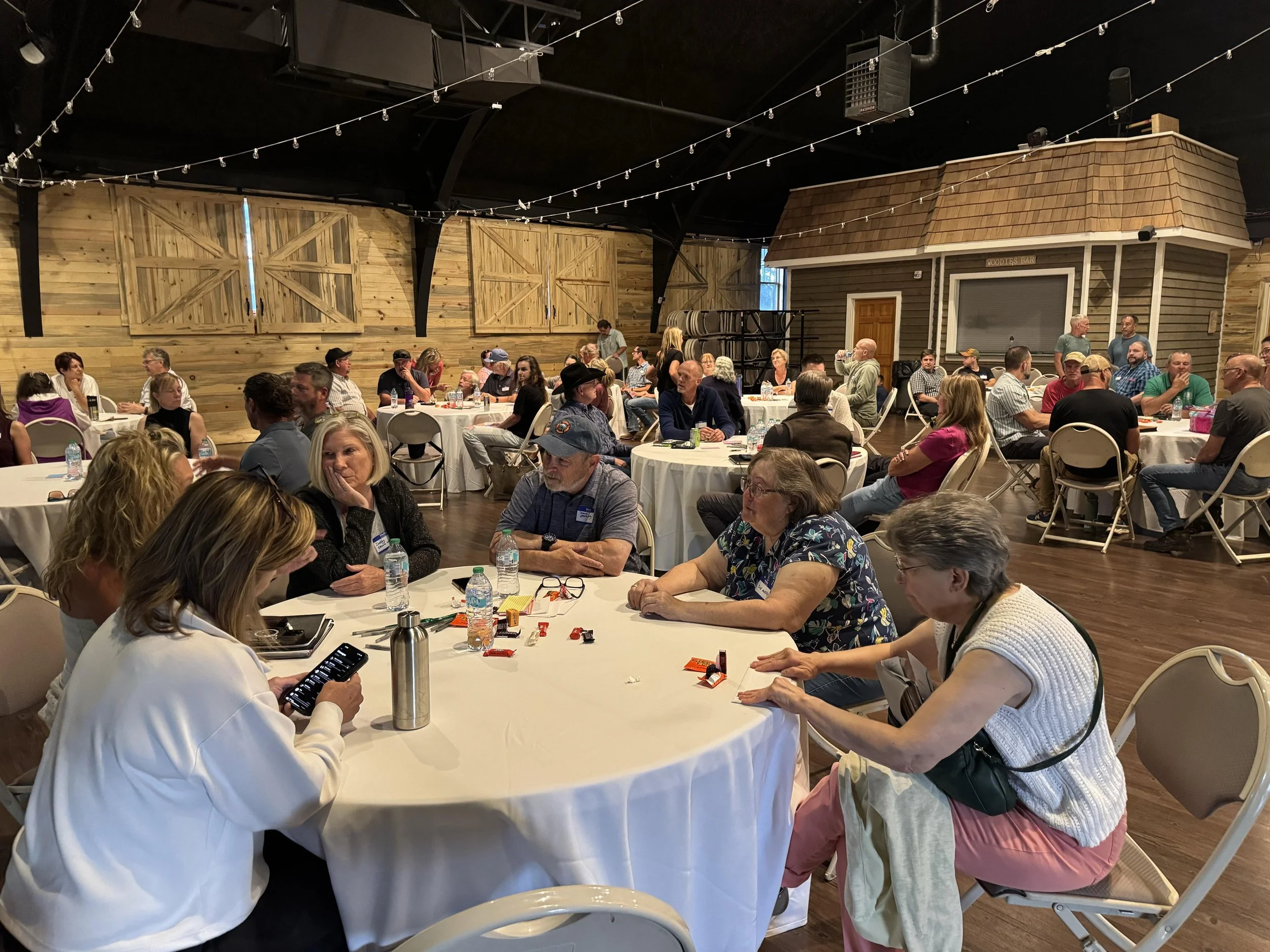
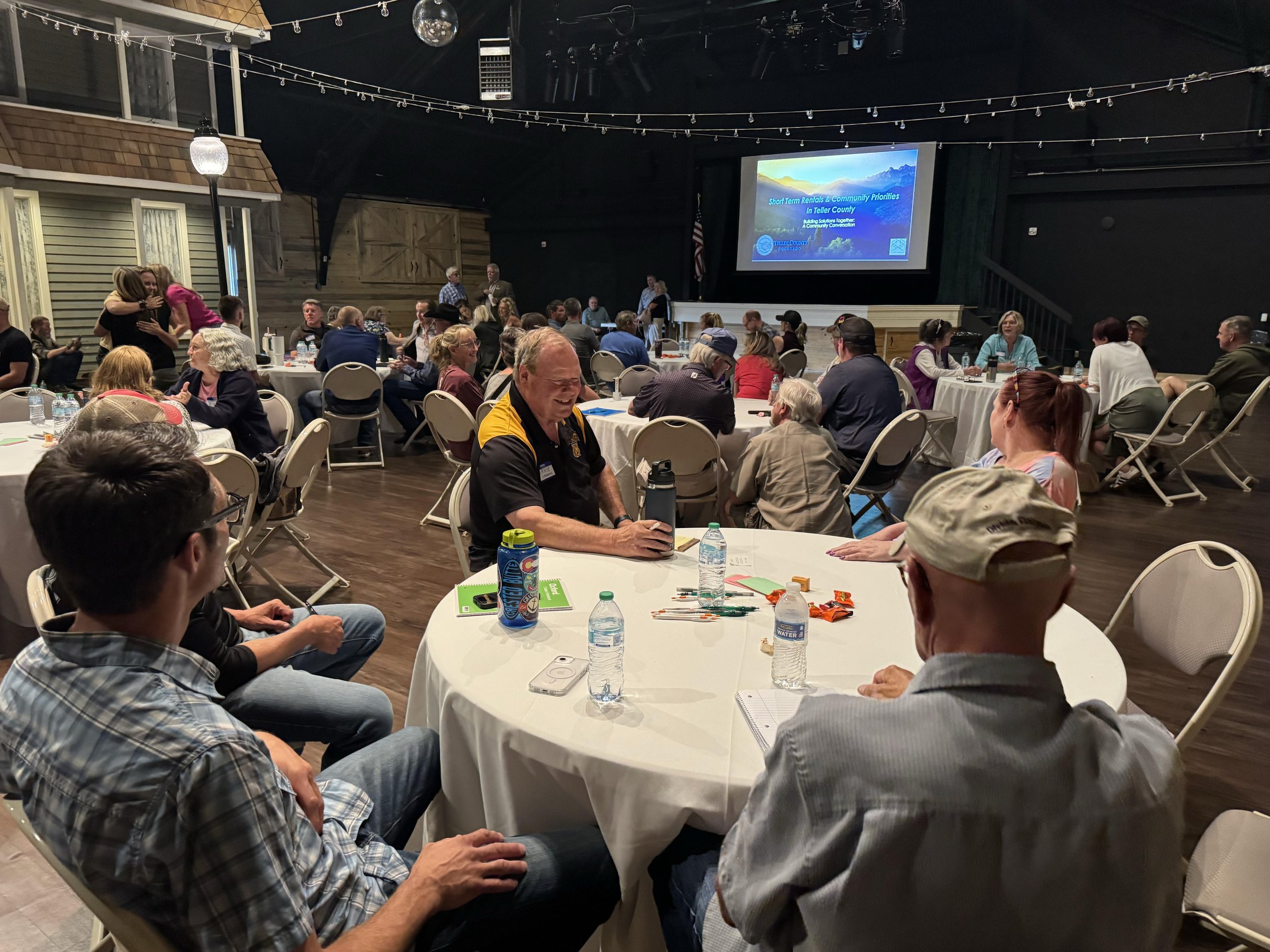
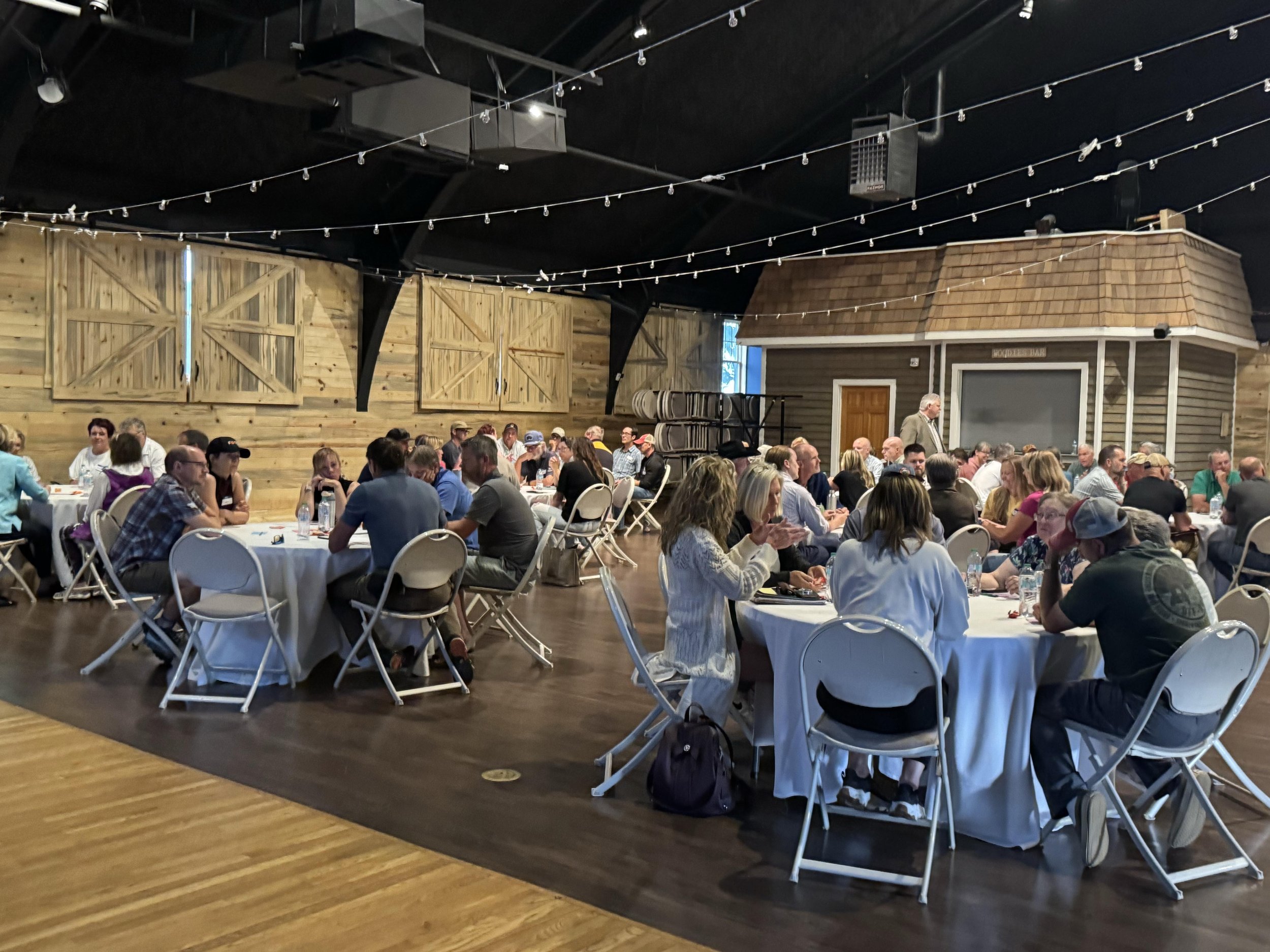
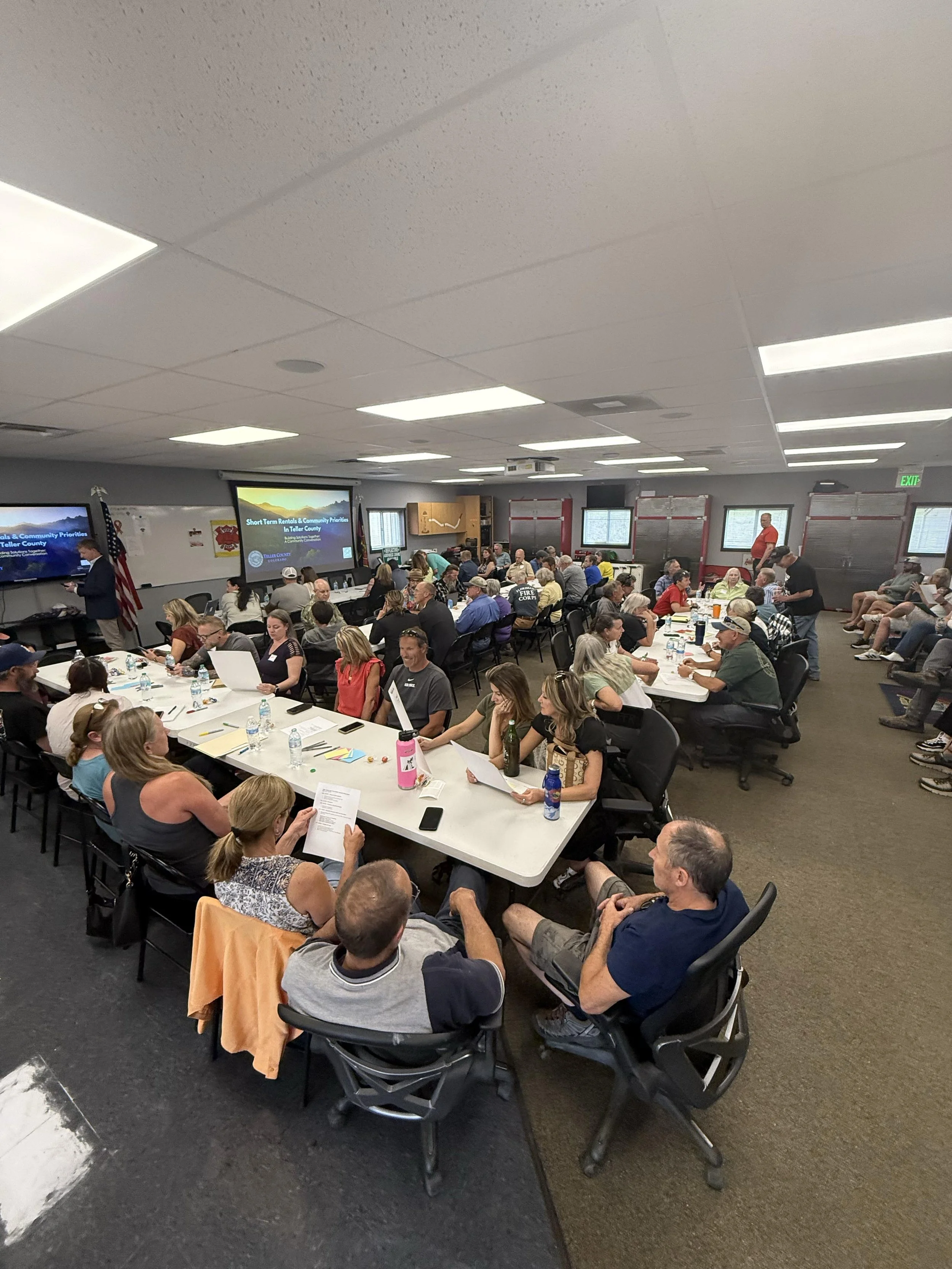
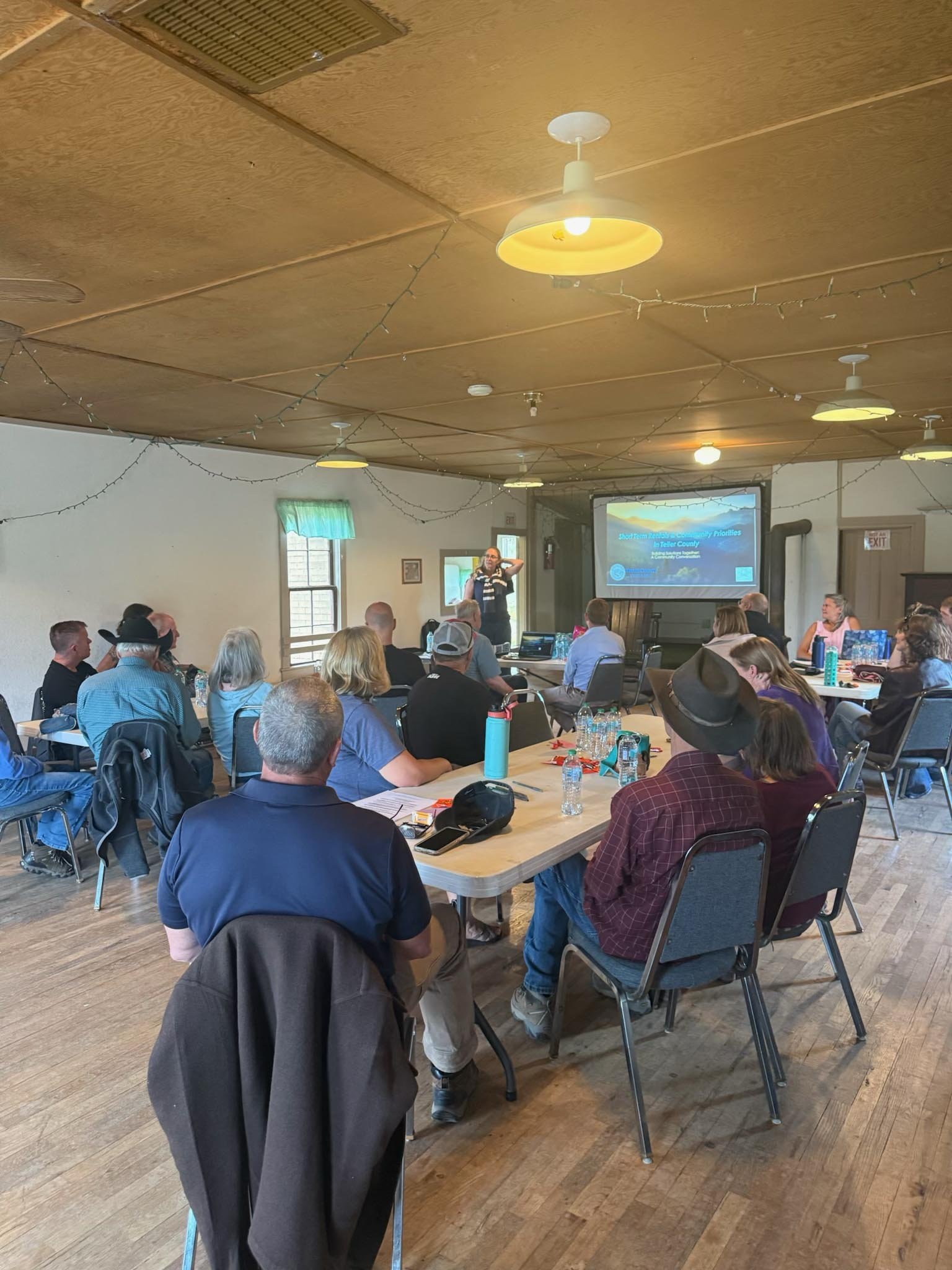
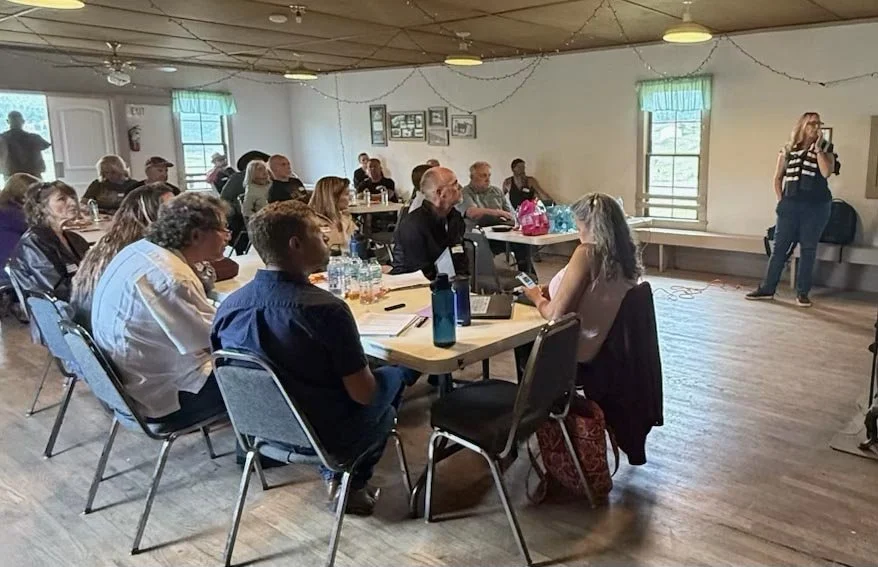
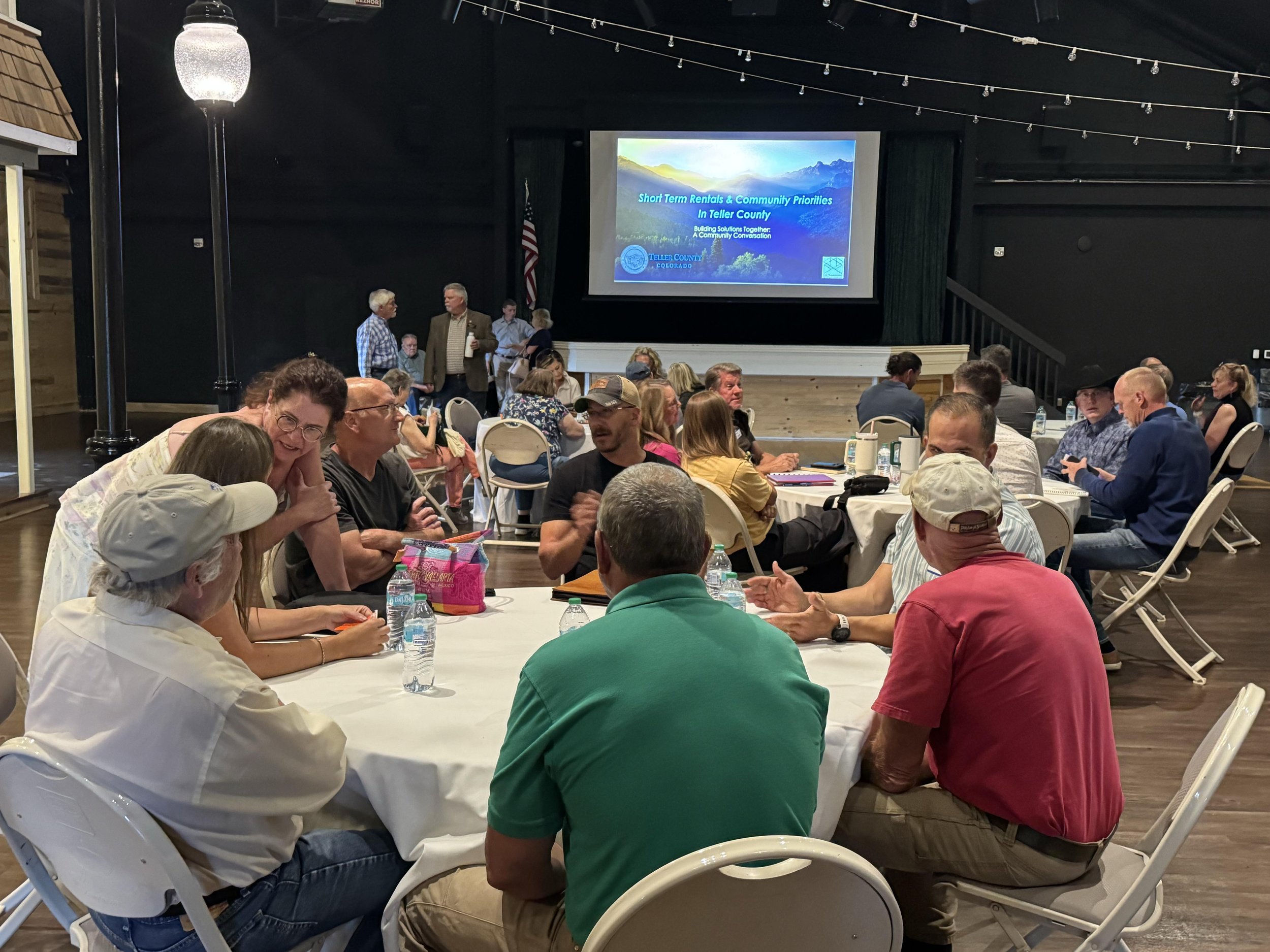
A structured, multi-meeting engagement process was conducted from May–August 2025, reaching all major regions of Teller County:
Florissant
Divide
Four Mile
Cripple Creek
Woodland Park
Online survey and comment portal
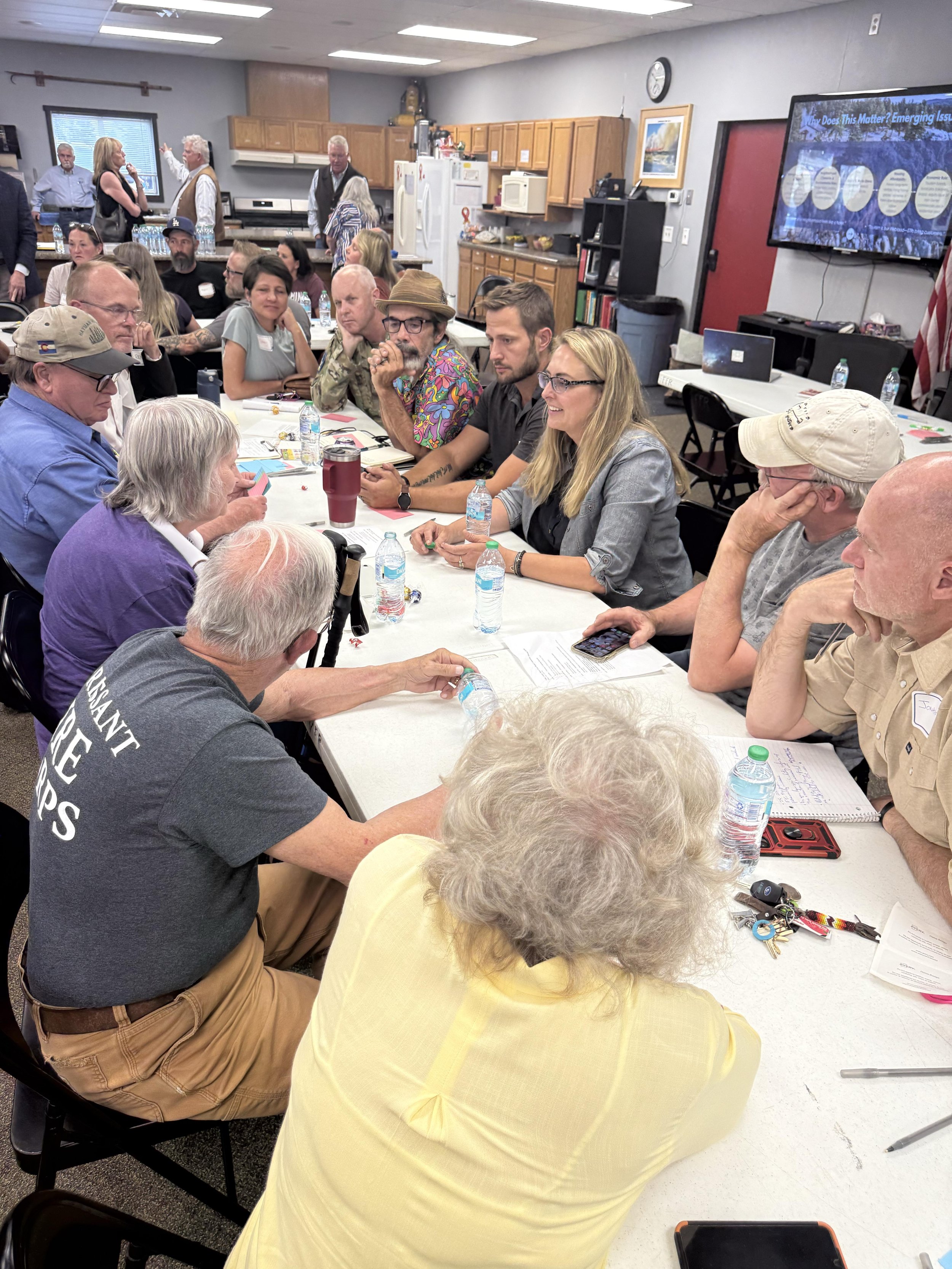
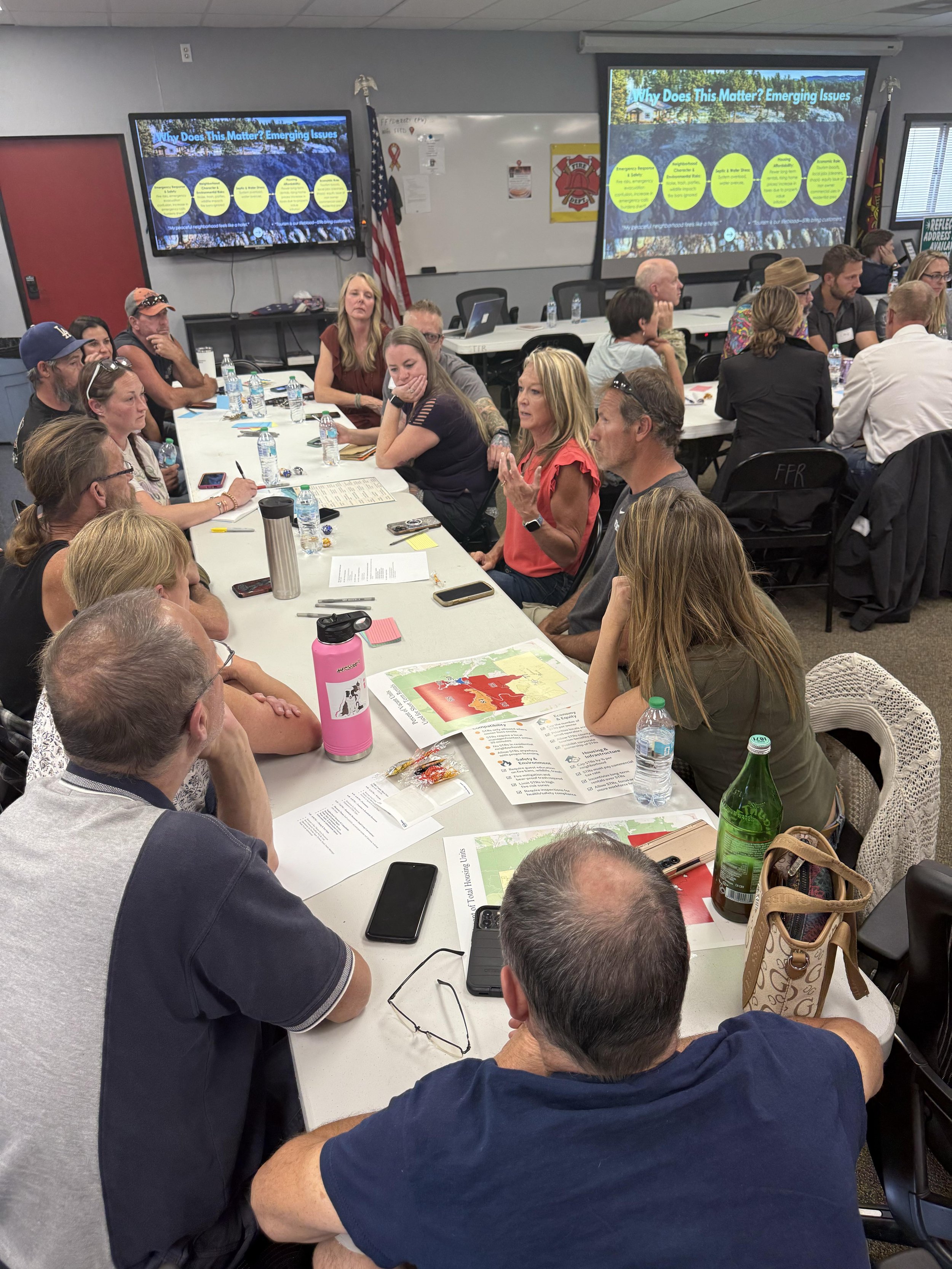
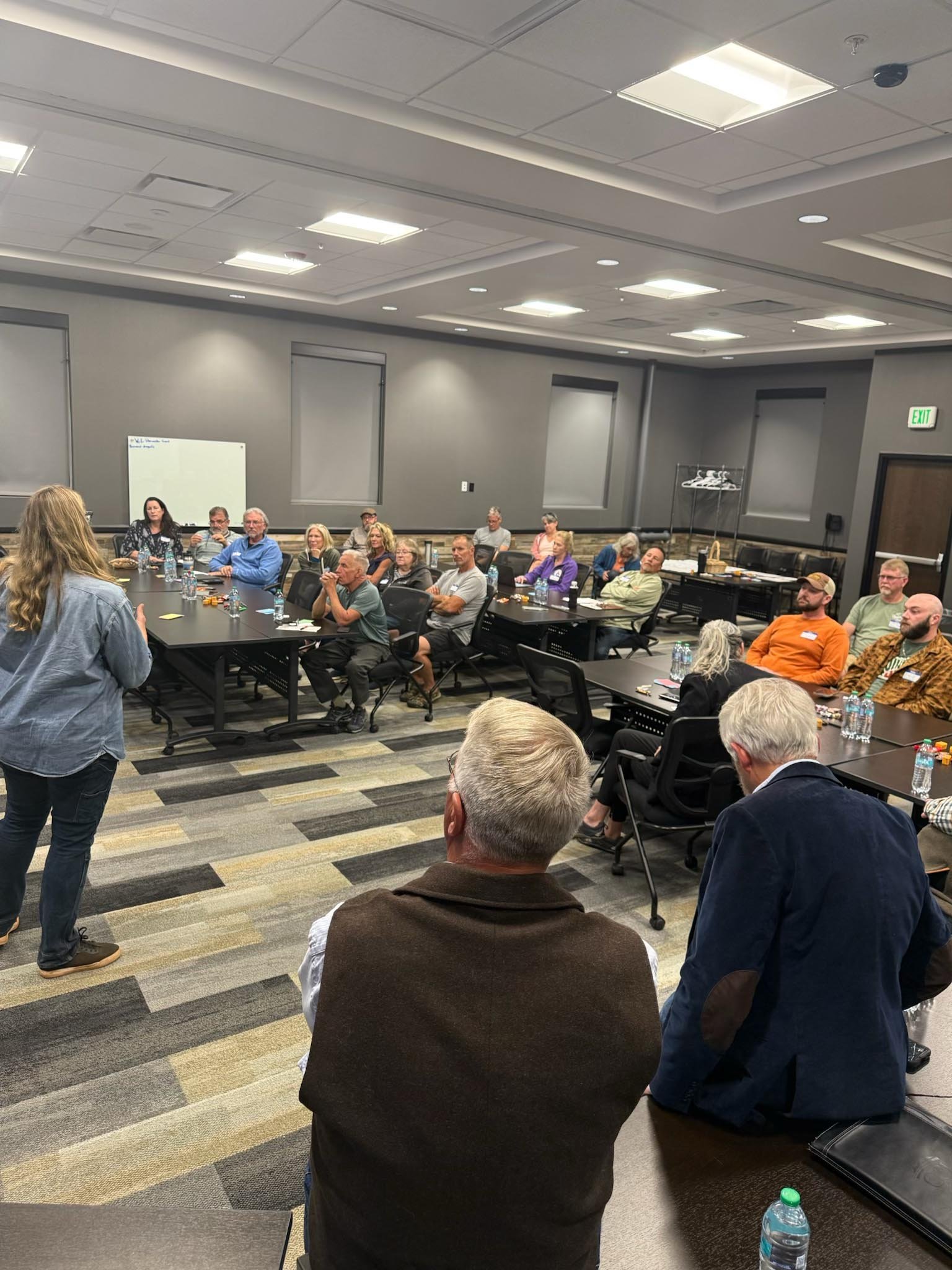
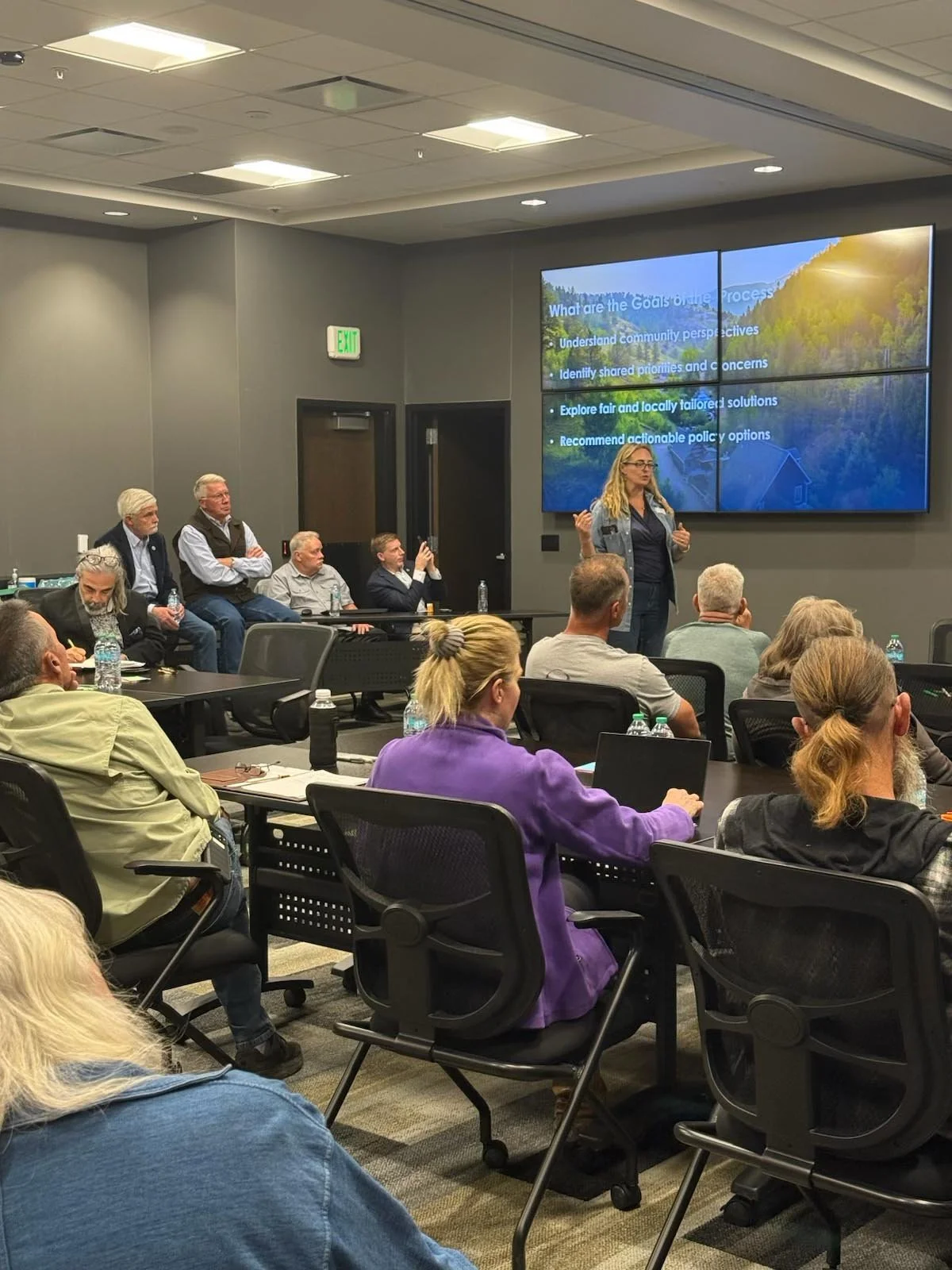
Over six total workshops were held across the county, each designed to:
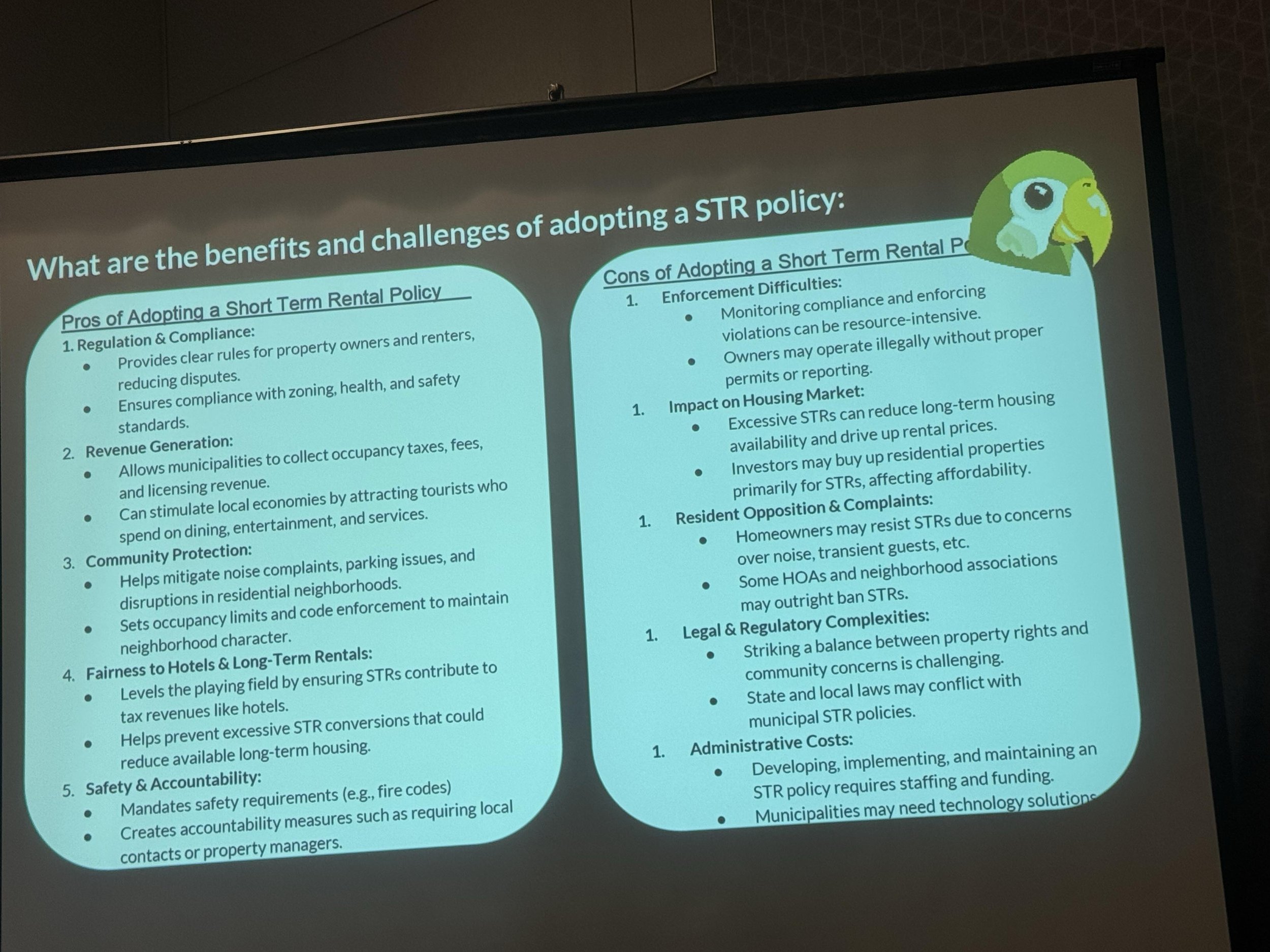
Provide a clear overview of STR issues and policy tools
Collect detailed input through comment cards, round-robin discussions, and facilitated dialogue
Document localized concerns such as water, wildfire evacuation, infrastructure limits, and neighborhood conflicts
Additional outreach included:
Conversations with County Commissioners, planning staff, and first responders
Coordination with Environmental Health, water and sanitation districts, and fire authorities
A countywide public survey addressing housing affordability, infrastructure strain, public safety, and community character
Top Themes Heard Countywide
Community input consistently highlighted the following:
Concerns
Impact on housing availability and affordability, especially workforce housing
Noise, nuisance, and parking conflicts in residential neighborhoods
Water and septic capacity limitations, especially in rural subdivisions
Wildfire evacuation risks and lack of clear emergency protocols for visitors
Lack of enforcement, lack of local contact response, and inconsistent complaint resolution
Perceived inequity in who follows rules and who does not
STRs contributing to loss of neighborhood cohesion in certain areas
Benefits Identified
STRs support tourism-based economic activity
Provide opportunities for property owners to supplement income
Contribute to local businesses, restaurants, and recreation activity
Allow families to visit and recreate in Teller County
Offer a pathway for some residents to afford to keep their homes
2. Major Issues Identified Across Teller County
Infrastructure & Environmental Capacity
Many subdivisions rely on individual wells and septic systems not designed for high-turnover occupancy
Water districts expressed concern about overuse during peak periods
Several fire districts emphasized evacuation constraints in steep or limited-access areas
Public Safety & Enforcement
Lack of coordinated county enforcement
Difficulty responding when operators do not have a local contact within reachable distance
Need for clear occupancy limits and fire safety inspections
Housing Supply
STR demand affects long-term rental availability, particularly for service workers, teachers, and public sector workers
Concern that STR proliferation may displace potential long-term housing
Community Character
Residents expressed desire to maintain quiet, rural, and residential quality of life
Need for clear rules supporting good actors and reducing nuisance problems from bad actors
3. Policy Recommendations
A. Licensing Structure
Create a tiered licensing system with annual renewal:
Owner-occupied STR
Non-owner-occupied STR
STR in multi-unit or commercial zoning
Large-capacity STRs requiring additional safety review
B. Local Responsible Party Requirement
A local contact within 30 minutes (not a call center) capable of responding to complaints, emergencies, and county enforcement.
C. Good Neighbor Program
Require operators to provide guests with a Good Neighbor Guide including:
Local fire restrictions
Water conservation expectations
Wildlife interaction guidelines
Noise, parking, and trash protocols
D. Health & Safety Requirements
Fire safety inspections for new licenses and periodic renewals
Clear occupancy limits, determined by septic capacity or water district guidance
24/7 emergency contact information posted inside rental
E. Density & Location Tools
Options presented for county consideration included:
Caps on STRs per subdivision or zoning district
Minimum distance between STRs (to avoid clustering)
Distinct rules for high-risk wildfire zones or evacuation bottlenecks
F. Septic, Well, and Infrastructure Standards
Verification of septic capacity and well permitting status
Requirement for maintenance records for older systems
Coordination with water districts for STR approval in areas with drought or capacity restraints
G. Enforcement & Administration
Creation of an STR Advisory Board representing:
STR owners
Residents
Fire/emergency services
Environmental Health
Tourism/hospitality
Establishment of:
Complaint tracking and escalation protocols
A system for fines, suspension, and revocation
Annual license audits
H. Data Tools
County STR registry
Use of monitoring software to track:
Active rentals
Compliance
Complaints
Tax remittance
4. Deliverables Provided to Teller County
Community Engagement Deliverables:
Full meeting summaries for all public workshops
Comment card matrices
Community concerns and benefits matrices
STR survey structure and results integration
Policy Deliverables:
Comprehensive STR policy framework
Licensing, safety, and enforcement recommendations
Administrative flowchart and implementation steps
Comparative analysis of surrounding county policies
Infrastructure and environmental capacity considerations
Draft ordinance structure recommendations
5. Overall Outcome
The final recommendations provide Teller County with a balanced, enforceable, community-supported STR policy framework designed to:
Protect water, septic, and environmental systems
Support safe and responsible STR operation
Reduce neighborhood conflicts
Maintain property rights
Strengthen enforcement capacity
Help preserve housing options for local residents
Strengthen rural community resilience and economic stability